Dubai steps into 2026 on the back of a landmark run in real estate. A record year of transactions wasn’t just a headline — it was a signal that the market has expanded in depth, buyer diversity, and confidence. The real question now is not whether Dubai is “hot,” but whether it’s built to hold momentum. The early data suggests the answer is yes.
What’s different about this cycle is the quality of demand. Population growth continues to push real housing need, supported by long-term residency pathways, global talent moving in, and Dubai’s appeal as a secure, tax-efficient base for families and businesses. At the same time, the buyer mix is more international than ever — Europe, Asia, CIS markets, and high-net-worth relocators are all participating at scale.
Key Insight
Dubai’s 2026 market feels less like a short sprint and more like a long-distance engine — driven by real occupancy demand, global migration, and an evolving investment ecosystem.
From “Boom” to “Built”
By late 2025, transaction values had already moved beyond Dh 500 billion across roughly 186,000 sales — reaching levels that would have been considered extraordinary just a few years ago. Crucially, this wasn’t concentrated in one slice of the market. Luxury homes, apartments, villas, and townhouses all posted strong performance, reflecting broad participation rather than a narrow speculative spike.
A Wider, Deeper Buyer Base
Today’s demand is supported by end users, relocating families, entrepreneurs, and investors — a mix that tends to stabilise pricing and reduce “one-direction” volatility.
What’s Fueling Demand in 2026
Dubai’s fundamentals remain powerful: ongoing population growth, expanding job creation across multiple sectors, and a city model designed to attract long-term residents. That combination matters because it supports both sides of a healthy market — sales velocity and rental absorption — rather than relying purely on sentiment.
Why This Cycle Looks More Sustainable
When demand is rooted in people moving, working, and living in the city — not just trading — the market typically becomes more resilient and more investable over time.
Innovation Is Changing How Property Can Be Bought
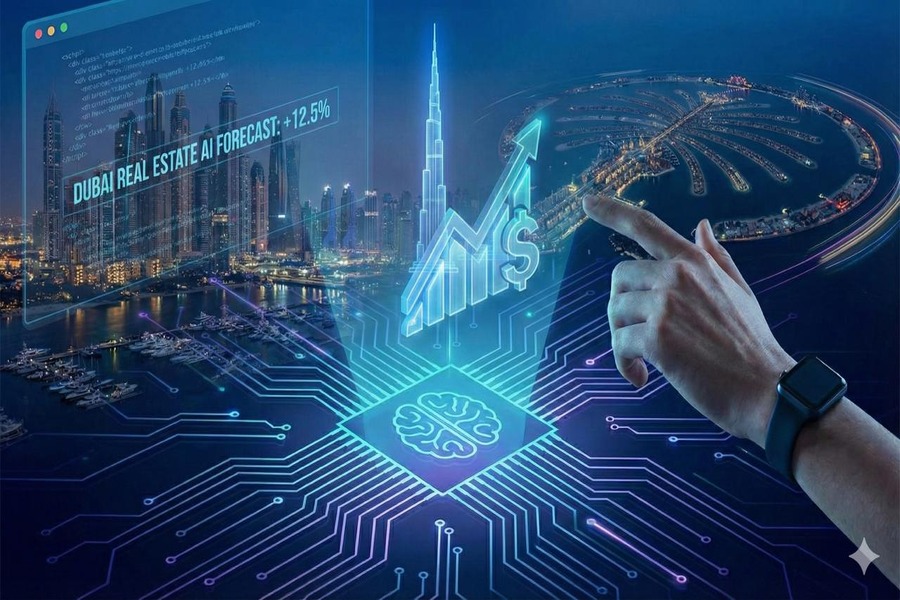
Technology is also beginning to reshape the real estate experience. Tokenization and blockchain-enabled ownership models are moving from theory toward practical adoption. Over time, that can improve transparency, unlock new ways to participate in property ownership, and add liquidity options — especially for investment-grade assets in prime locations.
Tokenization: A New Layer Emerging
As frameworks mature, tokenization can widen investor access and improve price discovery — while strengthening trust through clearer transaction tracking.
A Strong Start Sets the Tone
Even with periodic calls for a market correction, 2026 opened with strong momentum. January posted exceptionally high transaction activity, indicating confidence carried forward rather than fading. It’s realistic to expect selective cooling where certain segments overheated, but the larger trend remains constructive — especially in communities with real infrastructure, lifestyle depth, and long-term development planning.
Where Smart Opportunity Still Exists
For first-time buyers and those upgrading, the biggest advantage is not “chasing what already ran.” It’s identifying areas where value per square foot still makes sense, layouts are generous, and community maturity is moving in the right direction. In 2026, strategic selection matters more than ever.
- Choose Communities With Real Demand: Areas that families actually live in tend to hold value better
- Look for Space and Layout Advantage: Larger, more usable floorplans often outperform over longer holds
- Study Infrastructure & Delivery Plans: Roads, schools, retail, and transit shape long-term pricing power
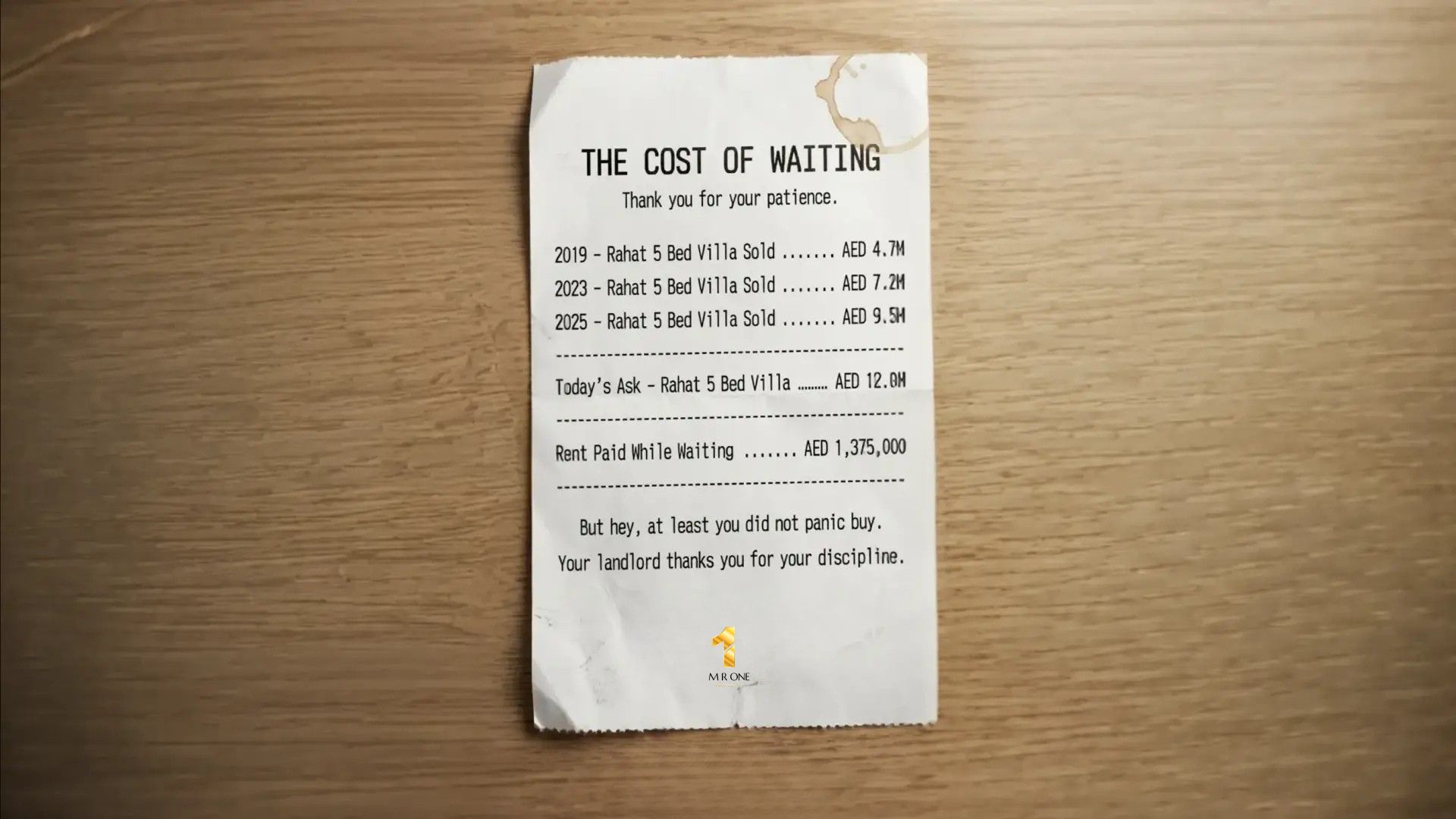
- Stay Realistic on Exit Timelines: The best results usually come from patience, not flipping
- Verify With Comparable Transactions: Data beats marketing every time
What to Trust in 2026
Don’t base decisions on promises. Base them on verified transactions, realistic comparables, and a clear plan aligned with your risk profile and time horizon.
So, Is Dubai Still the Place?
Dubai in 2026 is no longer simply a “growth market.” It is increasingly a global property hub defined by scale, international trust, and forward-looking innovation. For investors and end users who buy with clarity — and select communities with genuine fundamentals — Dubai remains one of the strongest real estate stories worldwide.
Conclusion
Dubai’s 2026 market is being shaped by deeper fundamentals: real population growth, a broader global buyer base, and technology-led evolution in how assets can be owned and traded. The opportunity is still strong — but the advantage belongs to those who buy with strategy, verify the numbers, and take a long-term view.